
What Is a Tesla Tiny House?
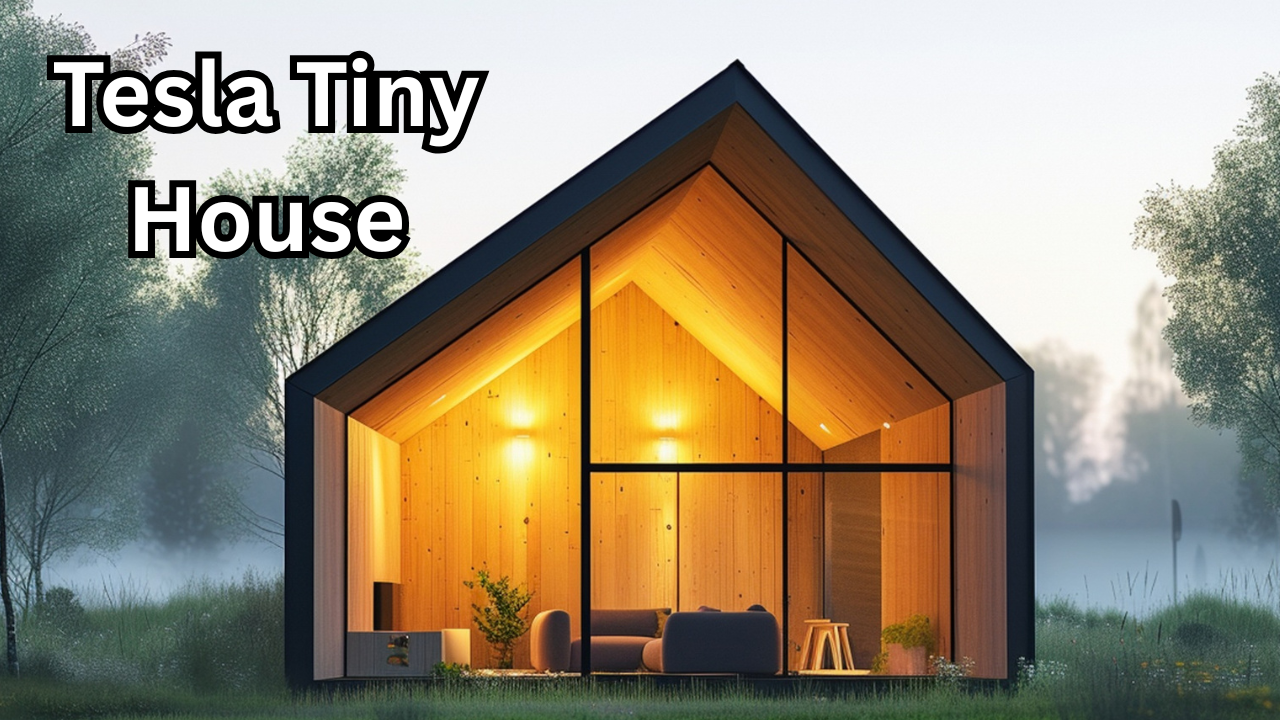
The idea of a Tesla tiny house has captured global attention as more people search for affordable, sustainable, and smart living solutions. A Tesla tiny house is a compact, energy-efficient home inspired by Tesla’s clean-energy ecosystem, including solar panels, battery storage, and intelligent energy management. These homes are designed to run on renewable energy while minimizing environmental impact and reducing long-term living costs.
Unlike traditional tiny homes, a Tesla-inspired tiny house focuses heavily on energy independence. It typically includes solar roofing, Powerwall-style battery storage, and smart automation features that allow homeowners to monitor and control electricity usage. This concept appeals to minimalists, remote workers, eco-conscious homeowners, and anyone looking to reduce utility bills.
As housing prices continue to rise across the United States, the Tesla tiny house concept is gaining popularity as a practical alternative to expensive mortgages and high-maintenance homes.
Why the Tesla Tiny House Is Trending in the USA
The Tesla tiny house trend is growing rapidly in the USA due to multiple factors. First, the affordability crisis in housing has pushed buyers to look for smaller and smarter homes. A tiny house dramatically reduces construction costs, land requirements, and ongoing expenses.
Second, sustainability is becoming a priority. Many homeowners want eco-friendly solutions that reduce carbon footprints. A Tesla tiny house uses solar energy and battery storage, which allows residents to generate and store their own power.
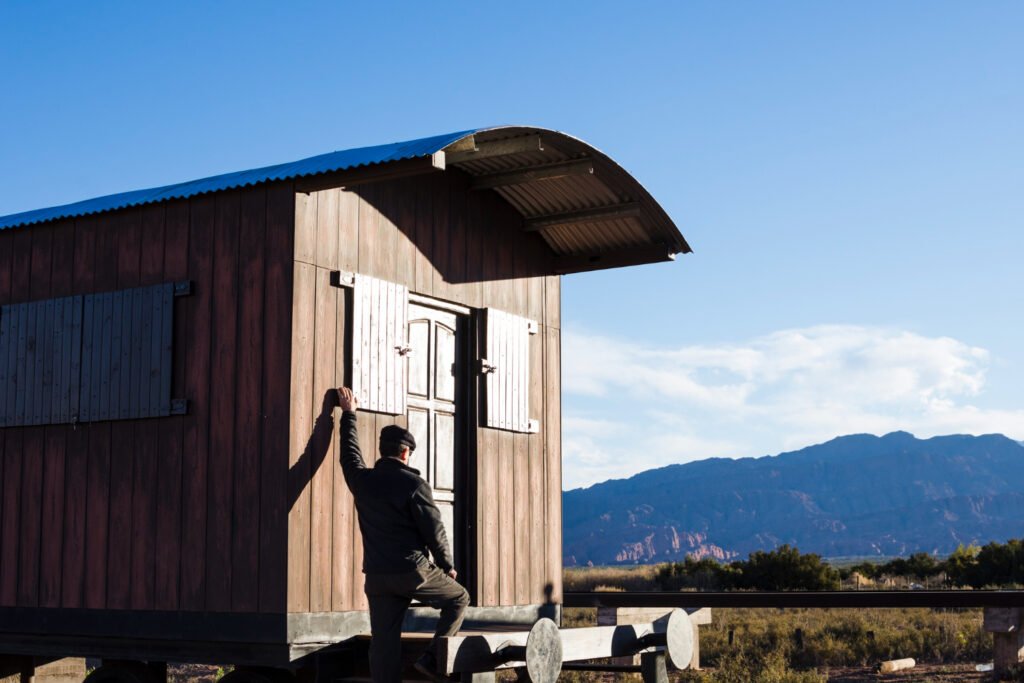
Third, mobility and flexibility are important. Many Tesla tiny house designs are built on trailers, making them portable. This allows homeowners to relocate easily without selling their property.
Finally, the smart technology aspect makes these homes futuristic. Automated lighting, energy tracking, climate control, and app-based management create a seamless living experience even in a small space.
Key Features of a Tesla Tiny House
Tesla’s tiny houses are known for combining minimal space with maximum functionality. These homes typically include advanced features that make them efficient and comfortable.
One of the most important features is the integration of solar power. Solar panels installed on the roof capture sunlight and convert it into usable electricity. This energy powers lighting, appliances, and electronics throughout the home.
Battery storage is another essential component. Energy collected during the day is stored and used at night or during cloudy weather. This ensures continuous power without relying heavily on the grid.
Smart energy management systems allow homeowners to track consumption in real time. Users can adjust usage patterns, monitor battery levels, and optimize power distribution.
Compact interior design is also a defining feature. Multi-purpose furniture, foldable beds, hidden storage, and modular kitchens maximize available space.
Energy-efficient appliances help reduce consumption. LED lighting, mini refrigerators, induction cooktops, and low-power HVAC systems are commonly used.
High-quality insulation ensures temperature control. This reduces heating and cooling costs while maintaining comfort year-round.
Tesla Tiny House and Off-Grid Living
One of the biggest advantages of a Tesla tiny house is the ability to live off-grid. This means the home can operate independently without relying on public utilities. Off-grid living appeals to those who want freedom from high electricity bills and power outages.
With solar panels generating electricity and batteries storing power, the Tesla tiny house can run essential appliances throughout the day and night. Some setups also include rainwater collection systems, composting toilets, and water filtration units.
This independence makes Tesla’s tiny houses ideal for rural land, remote areas, or eco-communities. It also provides resilience during emergencies, storms, or grid failures.
Many homeowners also combine off-grid capability with a grid connection. This hybrid approach allows them to use solar energy primarily while still having backup from the grid when needed.
Cost of a Tesla Tiny House
The cost of a Tesla tiny house varies depending on size, materials, and technology included. A basic tiny house without advanced energy systems may cost between $40,000 and $70,000. However, a Tesla-inspired version with solar panels and battery storage typically ranges from $80,000 to $150,000.
While the upfront investment may seem high, long-term savings make it appealing. Homeowners can significantly reduce or eliminate electricity bills. Maintenance costs are lower than those of traditional homes. Property taxes are also reduced due to the smaller square footage.
Additionally, tiny homes require less furniture, less cleaning, and fewer repairs. Over time, these savings can offset the initial cost.
Land cost is another factor. Some people place Tesla tiny houses on private land, while others use tiny home communities. Parking on owned land is the most cost-effective option.
Benefits of Living in a Tesla Tiny House
Living in a Tesla tiny house offers several lifestyle and financial benefits. One of the biggest advantages is reduced living expenses. With lower energy bills and maintenance costs, homeowners can save more money.
Another benefit is sustainability. Solar power reduces reliance on fossil fuels, making the home environmentally friendly.
Minimalism is also a key advantage. A smaller space encourages decluttering and intentional living. This leads to less stress and more organization.
Mobility provides flexibility. Owners can move their homes if they change jobs or want to explore new locations.
Smart home integration improves convenience. Automation makes it easy to control lighting, temperature, and energy usage.
Faster construction time is another benefit. Many Tesla tiny houses can be completed in weeks rather than months.
Tesla Tiny House Interior Design Ideas
Interior design plays a crucial role in maximizing space. Tesla’s tiny houses typically use modern and minimalist design concepts.
Loft bedrooms are common. Elevated sleeping areas free up space below for living or storage.
Foldable furniture helps create multi-use areas. A dining table can double as a workspace, and a sofa can convert into a bed.
Large windows increase natural light. This makes the small space feel larger and reduces daytime electricity usage.
Hidden storage solutions keep clutter out of sight. Stairs, benches, and walls often contain built-in compartments.
Neutral color palettes create an open feel. White, grey, and wood tones are popular choices.
Smart lighting systems adjust brightness automatically, improving comfort while saving energy.
Tesla Tiny House vs Traditional Tiny Homes
A Tesla tiny house differs from standard tiny homes primarily in technology and sustainability. Traditional tiny homes may rely on grid electricity and basic appliances. Tesla-inspired homes emphasize solar power, battery storage, and smart monitoring.
Energy independence is a major difference. Tesla’s tiny houses are designed to operate autonomously for extended periods.
Smart automation also sets them apart. Users can manage energy usage through mobile apps and real-time tracking.
Higher efficiency is another advantage. Tesla-style systems optimize power consumption automatically.
Although Tesla’s tiny houses may cost more initially, they offer long-term savings and environmental benefits.
Who Should Buy a Tesla Tiny House
Tesla’s tiny houses are ideal for several types of buyers. First-time homeowners looking for affordable housing may find them appealing. Remote workers who want flexible living arrangements also benefit.
Eco-conscious individuals who prioritize sustainability are another key audience. These homes allow them to reduce their carbon footprint.
Retirees seeking low-maintenance living often choose tiny homes. Smaller spaces require less upkeep and lower expenses.
Investors are also exploring Tesla’s tiny houses as rental properties. Short-term rentals and vacation stays can generate income.
Students and digital nomads also benefit from mobility and affordability.
Challenges of Tesla Tiny House Living
Despite the benefits, Tesla’s tiny houses also come with challenges. Limited space requires careful planning and organization. Not everyone is comfortable living in a compact environment.
Zoning regulations can also be complicated. Some areas restrict tiny homes or require permits. Checking local laws is important before building.
The initial cost for solar and battery systems can be high. However, long-term savings often justify the investment.
Storage limitations require minimal possessions. Downsizing is necessary for comfortable living.
Weather conditions may impact solar performance. However, battery storage helps reduce this issue.

Future of Tesla Tiny Houses
The future of Tesla’s tiny houses looks promising. As renewable energy technology becomes more affordable, adoption will increase. More builders are incorporating solar roofs, battery systems, and smart automation into tiny homes.
Advancements in energy storage will allow longer off-grid living. Improved insulation and materials will increase efficiency.
Tiny home communities focused on sustainability are also growing. These neighborhoods may feature shared solar grids, water systems, and green infrastructure.
Urban areas may also adopt compact housing solutions to address space shortages. Tesla-inspired tiny houses could become a major part of future housing trends.
How to Start Your Tesla Tiny House Journey
Starting with a Tesla tiny house begins with planning. First, determine your budget and space requirements. Decide whether you want a mobile or permanent tiny house.
Next, choose solar and battery capacity based on your energy needs. Consider appliances, heating, cooling, and daily usage.
Select a builder or design your own layout. Many companies now specialize in smart tiny homes.
Find land or a tiny home community that allows installation. Check zoning laws before purchasing.
Finally, customize your interior and smart features. Once completed, you can enjoy sustainable and affordable living.
Conclusion
The Tesla tiny house represents the future of affordable, sustainable, and smart housing. With solar power, battery storage, and intelligent automation, these homes offer energy independence and reduced living costs. As housing prices continue to rise in the USA, more people are turning to Tesla-inspired tiny homes as a practical solution.