
What Is Rapid Identity?
In today’s digital-first world, organizations need secure, fast, and reliable systems to manage user access and identity verification. Rapid identity has emerged as a modern approach to identity and access management that helps businesses, schools, healthcare providers, and enterprises secure sensitive information while improving user experience.
Rapid identity refers to advanced digital identity solutions that simplify authentication, user provisioning, access control, and cybersecurity operations. Instead of relying on outdated password systems and manual account management, rapid identity platforms automate identity processes and strengthen security through intelligent authentication technologies.
As cyber threats continue to rise globally, businesses are actively searching for efficient identity management systems that reduce risk and improve operational efficiency. This growing demand has made rapid identity one of the most important technologies in modern cybersecurity infrastructure.
Why Rapid Identity Matters in the Digital Age
Digital transformation has changed the way organizations operate. Employees work remotely, students access online learning platforms, and customers expect instant access to digital services. Traditional login systems are no longer sufficient to handle the complexity of modern digital environments.
Rapid identity solutions provide organizations with centralized identity management that enables secure access across multiple devices, applications, and networks. These systems improve productivity while reducing the risk of unauthorized access.
The importance of rapid identity continues to grow because modern organizations require:
- Faster user authentication
- Better cybersecurity protection
- Simplified access management
- Improved user experience
- Compliance with security regulations
- Reduced administrative workload
Businesses that fail to modernize their identity systems often face increased security risks, operational delays, and compliance challenges.
Key Features of Rapid Identity Solutions
Modern rapid identity platforms offer a wide range of advanced features designed to improve both security and efficiency.
Single Sign-On Technology
Single sign-on allows users to access multiple applications using one set of credentials. This eliminates password fatigue and reduces the need for multiple logins throughout the day.
Employees and students can securely access systems, cloud applications, and internal tools without repeatedly entering usernames and passwords. This not only improves convenience but also reduces help desk requests related to password resets.
Multi-Factor Authentication
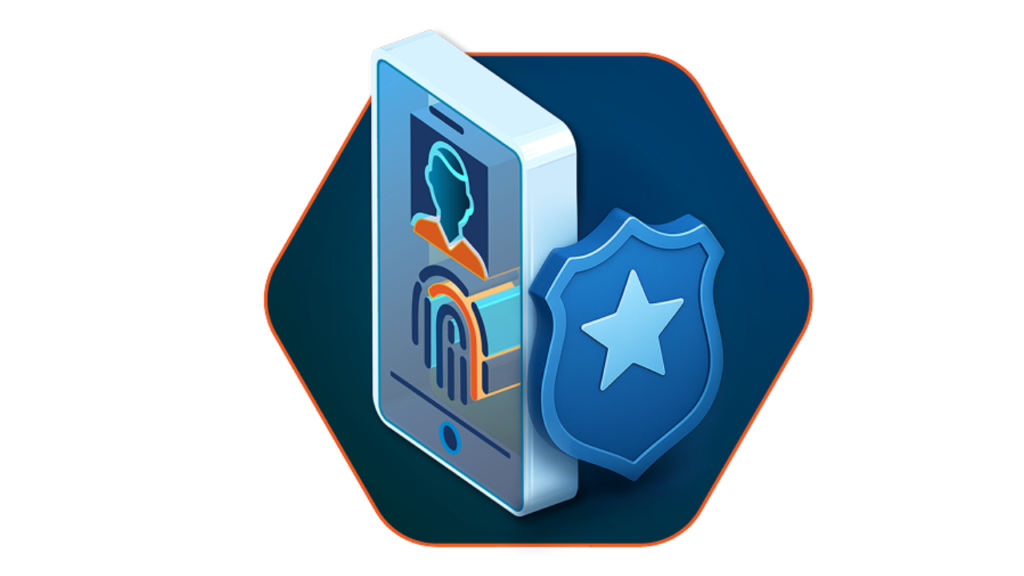
Cybercriminals often target weak passwords to gain unauthorized access. Multi-factor authentication adds an extra layer of protection by requiring additional verification methods, such as:
- One-time verification codes
- Biometric authentication
- Mobile app confirmations
- Security tokens
RapidIdentity systems use multi-factor authentication to significantly improve cybersecurity and reduce the risk of data breaches.
Automated User Provisioning
Managing user accounts manually can be time-consuming and error-prone. RapidIdentity solutions automate account creation, role assignments, and access permissions.
When a new employee joins a company or a student enrolls in a school, the system automatically creates accounts and grants the appropriate access rights. Similarly, when users leave an organization, access can be revoked immediately to prevent security risks.
Role-Based Access Control
Not every user should have access to all organizational resources. Rapid identity platforms use role-based access control to assign permissions based on job responsibilities or organizational roles.
This ensures that sensitive information remains protected while users only access the tools and data they need.
Self-Service Password Management
Password reset requests are one of the most common IT support issues. Rapididentity systems provide self-service password management tools that allow users to securely reset passwords without contacting technical support.
This feature reduces administrative workload and improves user satisfaction.
Benefits of Rapid Identity for Businesses
Organizations across industries are investing in rapid identity solutions because of the significant operational and security benefits they provide.
Enhanced Cybersecurity Protection
Data breaches and cyberattacks can cause severe financial and reputational damage. Rapid identity systems help organizations strengthen security through advanced authentication methods and centralized access management.
By monitoring login activity and enforcing security policies, these systems reduce the chances of unauthorized access.
Improved User Experience
Complicated login processes frustrate users and reduce productivity. Rapididentity platforms simplify access through streamlined authentication systems and centralized identity management.
Employees can work more efficiently when they spend less time managing passwords and login credentials.
Increased Operational Efficiency
Automation is one of the biggest advantages of rapid identity systems. Tasks such as account provisioning, password resets, and access management can be automated, saving valuable time for IT departments.
Organizations can focus more on strategic initiatives instead of repetitive administrative tasks.
Regulatory Compliance
Many industries must comply with strict data protection and cybersecurity regulations. Rapididentity platforms help organizations meet compliance requirements by maintaining secure access controls and detailed audit logs.
This is especially important for industries such as healthcare, finance, and education.
Scalability for Growing Organizations
As businesses grow, managing user identities becomes increasingly complex. Rapid identity solutions are designed to scale with organizational needs, supporting thousands of users across multiple systems and locations.
This flexibility makes them suitable for both small businesses and large enterprises.
Rapid Identity in Education
Educational institutions are among the biggest adopters of rapid identity technologies. Schools and universities manage large numbers of students, teachers, administrators, and digital learning platforms.
Rapid identity solutions help educational institutions:
- Simplify student login experiences
- Secure online learning environments
- Automate account management
- Protect student data
- Improve access to educational resources
With the rise of remote and hybrid learning, secure identity management has become essential for modern education systems.
Rapid Identity for Healthcare Organizations
Healthcare organizations handle highly sensitive patient information and must comply with strict privacy regulations. Rapid identity platforms help hospitals and healthcare providers secure access to medical records and digital systems.
Healthcare organizations use rapid identity technologies to:
- Protect patient data
- Manage employee access
- Secure telehealth platforms
- Improve compliance with healthcare regulations
- Reduce insider security threats
By strengthening access control, healthcare providers can improve both patient privacy and operational efficiency.
The Role of Artificial Intelligence in Rapid Identity
Artificial intelligence is transforming the future of identity management. Modern rapid identity systems increasingly use AI-powered analytics to detect suspicious behavior and prevent unauthorized access.
AI can identify unusual login patterns, detect compromised accounts, and respond to potential threats in real time. This proactive security approach helps organizations stay ahead of evolving cyber threats.
Machine learning also improves authentication accuracy by analyzing user behavior and identifying anomalies.
Cloud-Based Rapid Identity Solutions
Cloud computing has accelerated the adoption of cloud-based identity management systems. Cloud-based rapid identity platforms provide organizations with flexibility, scalability, and remote accessibility.
Benefits of cloud-based rapid identity include:
- Lower infrastructure costs
- Easy remote access
- Faster deployment
- Automatic software updates
- Improved scalability
Organizations increasingly prefer cloud-based identity solutions because they simplify IT management and support modern hybrid work environments.
Challenges in Identity Management
While rapid identity systems offer many advantages, organizations may still face implementation challenges.
Integration Complexity
Some organizations use legacy systems that may be difficult to integrate with modern identity platforms. Careful planning and technical expertise are often required during deployment.
User Adoption
Employees and users may initially resist changes to authentication processes. Proper training and communication can help improve adoption rates.
Security Policy Management
Organizations must carefully configure access controls and security policies to ensure optimal protection without creating unnecessary complexity.
Despite these challenges, the long-term benefits of rapid identity solutions far outweigh the initial implementation efforts.
Best Practices for Implementing Rapid Identity
Organizations can maximize the effectiveness of rapid identity systems by following proven best practices.
Conduct a Security Assessment
Before implementation, organizations should evaluate their current security infrastructure and identify vulnerabilities.
Use Strong Authentication Methods
Combining multi-factor authentication with strong password policies significantly improves security.
Automate Identity Lifecycle Management
Automating account provisioning and deprovisioning reduces human error and improves efficiency.
Regularly Review Access Permissions
Organizations should periodically review user access rights to ensure permissions remain appropriate.
Educate Users About Cybersecurity
Security awareness training helps users understand the importance of secure authentication practices and reduces the risk of phishing attacks.

The Future of Rapid Identity
The future of rapid identity will be shaped by emerging technologies such as artificial intelligence, biometrics, and decentralized identity systems.
Passwordless authentication is becoming increasingly popular as organizations seek more secure and user-friendly alternatives to traditional passwords. Biometric verification methods such as facial recognition and fingerprint scanning are expected to become more common.
Decentralized identity solutions may also transform how users manage and control personal information online.
As digital ecosystems continue to expand, rapididentity will remain a critical component of cybersecurity and digital transformation strategies.
Conclusion
Rapid identity is revolutionizing the way organizations manage digital access and cybersecurity. By combining automation, advanced authentication technologies, and centralized identity management, these systems improve security, efficiency, and user experience.
Also Read: Nurture Life: A Complete Guide to Healthy Kids Meals for Busy Families